 Long before Halloween became a parade of costumes, candy and skeleton-covered front lawns, Martha Russell Orne was explaining how to throw the party.
Imagine Halloween without miniature candy bars, elaborate costumes, inflatable lawn monsters or an entire store aisle devoted to plastic skeletons. At the end of the 1800s, America’s Halloween looked considerably different from the holiday we know today. Old superstitions and fortune-telling traditions were still part of the celebration, but Halloween was also becoming something much more familiar: a reason to invite your friends over and have a party.
In 1898, Martha Russell Orne decided people could apparently use a little help with that. She published Hallowe’en: Its Origin and How to Celebrate It with Appropriate Games and Ceremonies, a slim book of about 44 pages devoted not only to the holiday, but to how people could actually celebrate it. At a time when there was no Pinterest, no party store and no social media showing everyone what their Halloween table was supposed to look like, Orne was essentially handing Americans an early Halloween party guide.
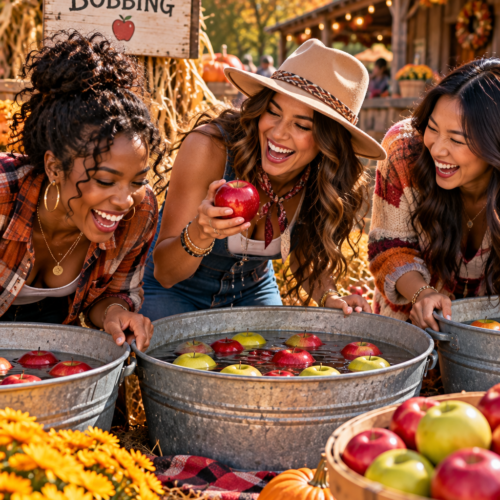
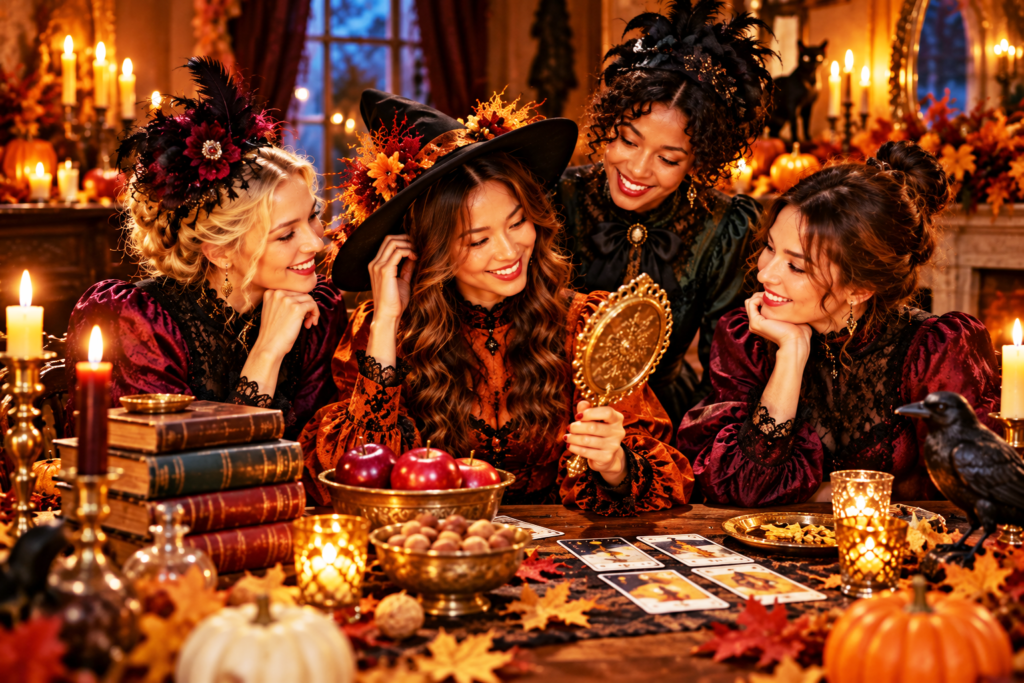 And these parties could get wonderfully strange. Apples, nuts, mirrors and other everyday objects became part of games and fortune-telling rituals, many of which revolved around a subject apparently even more fascinating than ghosts: romance. Young people played games that supposedly revealed whom they would marry or offered clues about their romantic futures. Halloween once had a surprising amount of Valentine’s Day hiding beneath the witches and pumpkins.
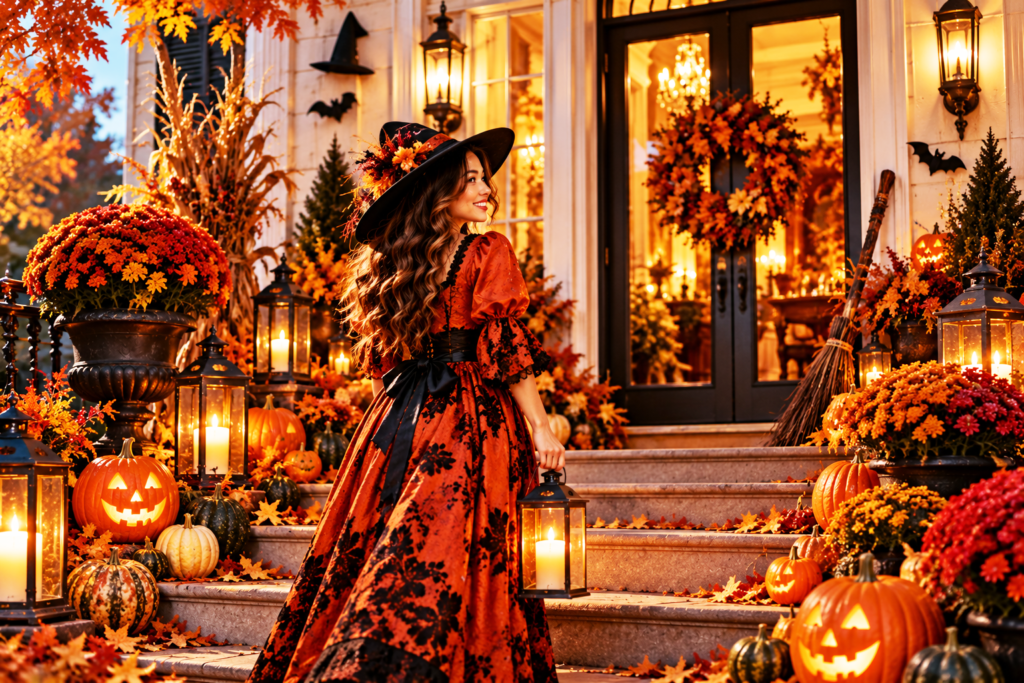
Orne’s book appeared at an important moment in the holiday’s American evolution. Halloween was gradually becoming less about private superstition and more about shared entertainment. Hosting a party allowed people to turn old customs into games, decorations and experiences, and women became especially influential in shaping this social side of the holiday. As the new century arrived, magazines aimed at women increasingly offered ideas for seasonal entertaining, decorations, menus and party activities. Postcards and commercially produced decorations also helped familiar witches, black cats, pumpkins and ghosts travel into homes across the country.
Orne didn’t invent Halloween, and no single person could reasonably claim credit for a holiday shaped by centuries of traditions. What makes her story fascinating is that she captured Halloween at the moment it was becoming something Americans wanted to plan, decorate for and celebrate together.
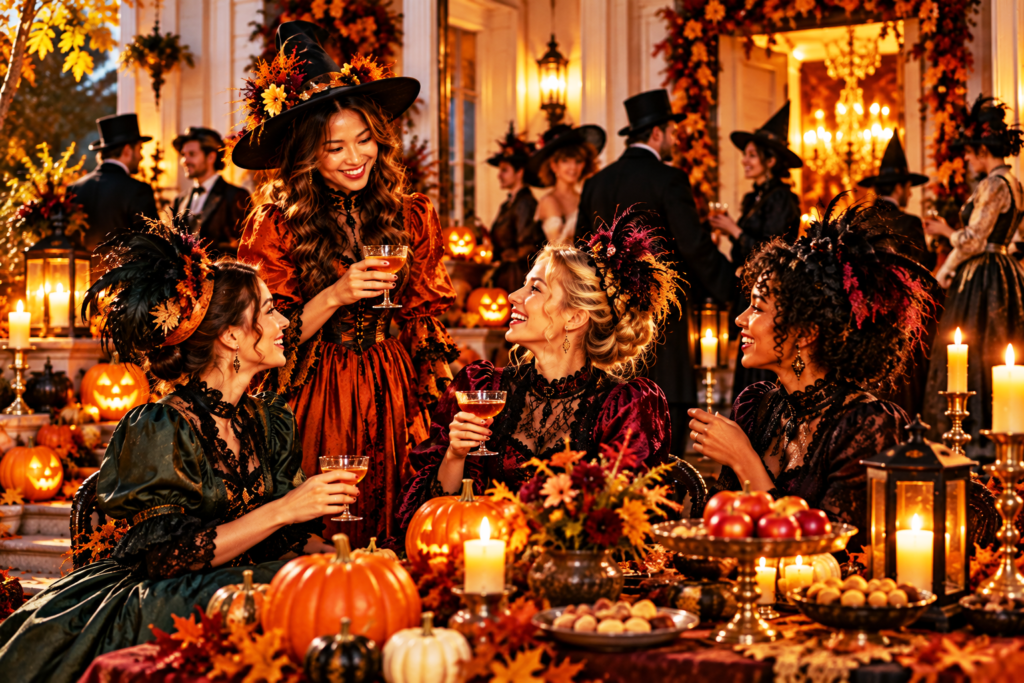 More than 125 years later, we’ve added mountains of candy, elaborate costumes and enough front-yard skeletons to alarm future archaeologists, but Orne would probably recognize the basic idea immediately. Gather your friends, decorate the house, play something ridiculous and enjoy one wonderfully strange night.
Did You Know?
Halloween was once surprisingly romantic. In the late 19th and early 20th centuries, party games frequently involved predicting a person’s future spouse. Apples, mirrors, nuts and even discarded apple peels could supposedly offer clues about who—or when—you might marry.
A Little History
Halloween’s American traditions developed from several influences, particularly customs brought by Irish and Scottish immigrants during the 19th century. Over time, older practices associated with fortune-telling, seasonal gatherings and mischief mixed with American community celebrations. By the early 20th century, parties, postcards, costumes and commercially produced decorations were helping transform Halloween into the increasingly recognizable holiday Americans celebrate today.