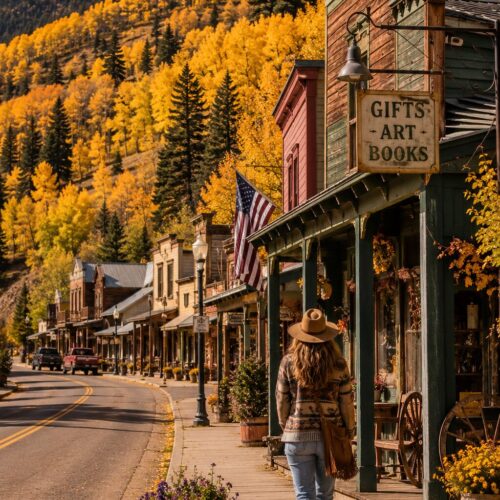
 Travelers are discovering that the best time to take a summer vacation might actually be after summer ends.
For decades, summer owned the vacation calendar. Then came September, the kids went back to school, beach towns emptied out and destinations quietly slipped into what the travel industry called “shoulder season.” Not anymore.
Travelers are increasingly pushing major vacations into September, October and even November—chasing fewer crowds, cooler temperatures and, when they’re lucky, better prices. And the numbers are significant.
According to Deloitte’s 2026 summer travel survey, 20% of major trips are now taking place after Labor Day, compared with just 12% in 2022. That’s roughly a 67% increase in the share of major trips falling into this later travel window. Meanwhile, luxury travel network Virtuoso reports fall bookings are up 59% year over year.
 Airbnb is seeing another shift: 60% of travelers surveyed are planning a short fall trip in 2026, putting fall ahead of every other season for weekend getaways and crowds are certainly part of it. So are increasingly hot summers and the realization that destinations don’t suddenly shut down when August ends.
“In so many parts of the world, [November] sits neatly between seasons, offering far fewer crowds and, very often, much more beneficial pricing,” George Morgan-Grenville, founder of luxury travel company Red Savannah, told The New York Times. His company says November bookings are up 10% year over year.
There can still be bargains, too. Expedia has historically found fall airfare about 10% cheaper than summer, although growing demand means those savings aren’t guaranteed everywhere.
 There’s an irony here. Travelers discovered shoulder season because nobody else was traveling then. Now everybody else is discovering it, too. Which raises the obvious question: How long before shoulder season becomes peak season?