 A trend for everyone, it’s called “lipification”—here’s what it is, how it works, and where to get it.
For years, lip care was pretty simple. Lips feel dry? Grab a balm. Going out? Add lipstick or gloss. Now, apparently, our lips have been underachieving in the skincare department. Enter lipification, the beauty trend turning the humble lip balm into an entire skincare category.
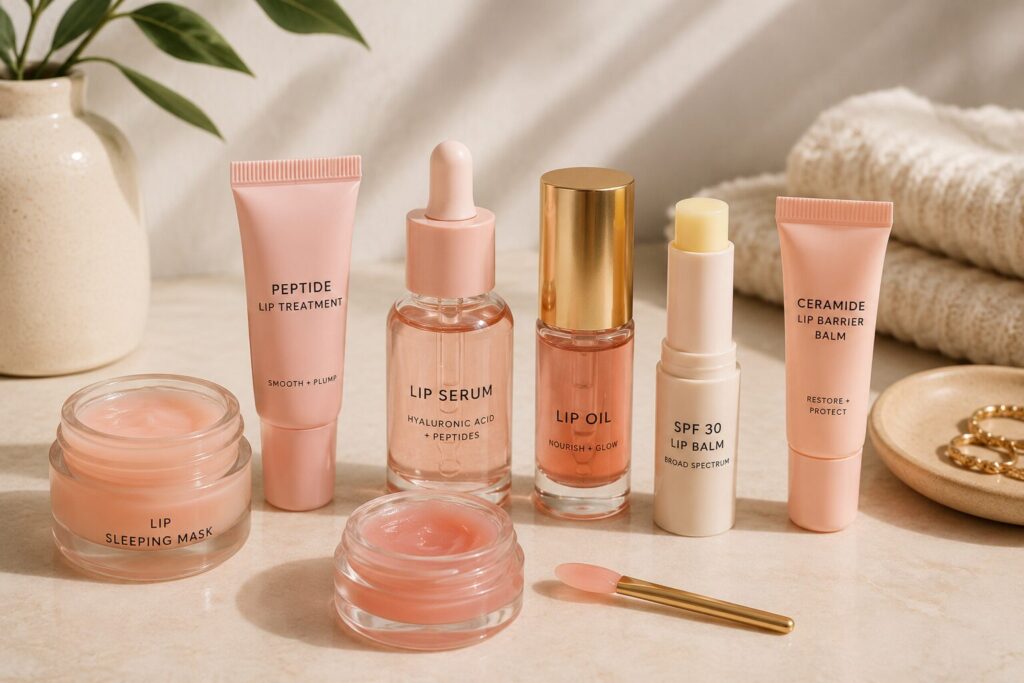
Serums, peptides, hyaluronic acid, ceramides, masks, oils and SPF are moving from our skincare shelves to our lips. Essentially, lipification means treating your lips the way you treat the rest of your face.
What Is Lipification?
Instead of waiting until lips are dry or chapped, lipification takes a more proactive approach. Products are designed to hydrate, smooth, condition and protect, often using ingredients familiar from facial skincare. You might use a hydrating lip serum, an SPF treatment during the day and a richer mask at night. Do you need a complicated lip routine? Probably not, but that’s hardly ever stopped the beauty world before.
Why is it Suddenly Everywhere?
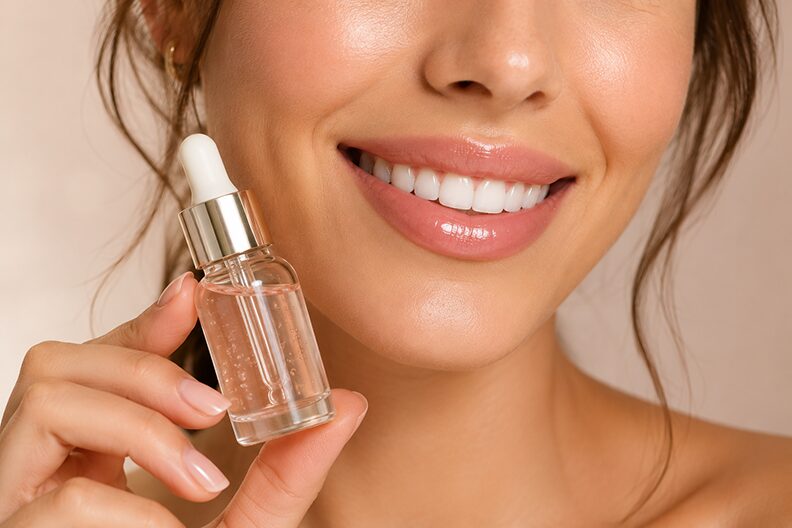
Beauty and skincare have been moving closer together for years. Foundations became skin tints, makeup started boasting skincare ingredients, and lipstick was joined by oils, treatment balms and conditioning glosses. Now consumers increasingly want beauty products to do something while making them look good. A glossy lip product might contain peptides or moisturizing oils, while an overnight mask promises to condition lips while you sleep. Lipification is simply the next step in beauty’s love affair with multitasking.
How Does It Work?
Different products address different concerns. Hyaluronic acid and glycerin help attract moisture, while ceramides and emollients can help lips retain it. Peptides have also made their way into treatments marketed for smoother, fuller-looking lips, while richer overnight formulas help seal in moisture. Then there’s SPF. We spend plenty of time protecting our faces from the sun but can easily forget that our lips are exposed to UV rays, too. Don’t expect a topical treatment to perform like injectable filler. Hydrated lips can appear smoother and somewhat fuller, and some plumping formulas provide a temporary effect, but the goal is generally healthier-looking, softer and more supple lips.
Where Do You Get It?
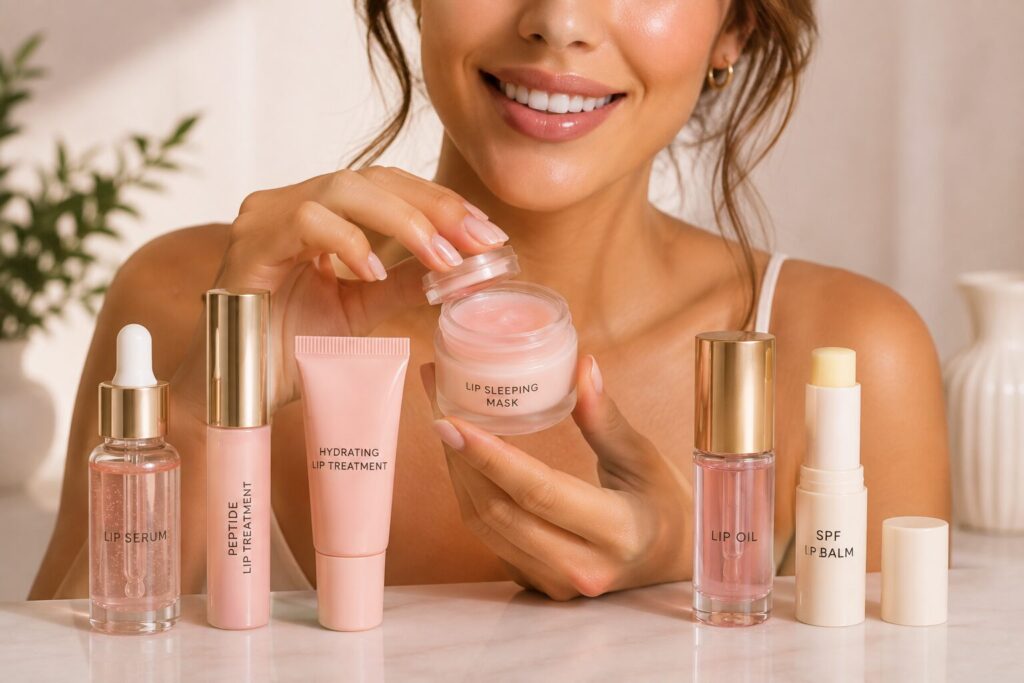
The funny thing is, lipification products may already be sitting on shelves where you shop. Look at beauty retailers, department stores, drugstores and online beauty shops for terms such as lip serum, peptide lip treatment, hydrating lip treatment, lip sleeping mask, lip oil and SPF lip balm. You don’t need everything.
Constantly dry lips might benefit from a richer moisturizing treatment, while outdoor lovers may want to prioritize SPF. If you wake up with parched lips, an overnight treatment might be the easiest place to start.
 Did You Know?
Lips don’t have the same oil-producing glands found across much of our skin, helping explain why they can become dry so easily. Licking them may actually make matters worse as saliva evaporates and leaves them feeling drier. Lips need sun protection, too, and that tingling sensation from certain plumping glosses isn’t necessarily your imagination. Some formulas temporarily stimulate the lips to create the appearance of a little extra fullness.
A Little Lip History
Humans have been decorating their lips for thousands of years. Ancient civilizations, including those in Mesopotamia and Egypt, used pigments and naturally derived materials to add lip color. By the early 20th century, red lipstick became associated with some women’s suffrage activists and took on a new role as a symbol of visibility and independence. Portable lipstick packaging soon helped transform lip color into an everyday beauty essential.