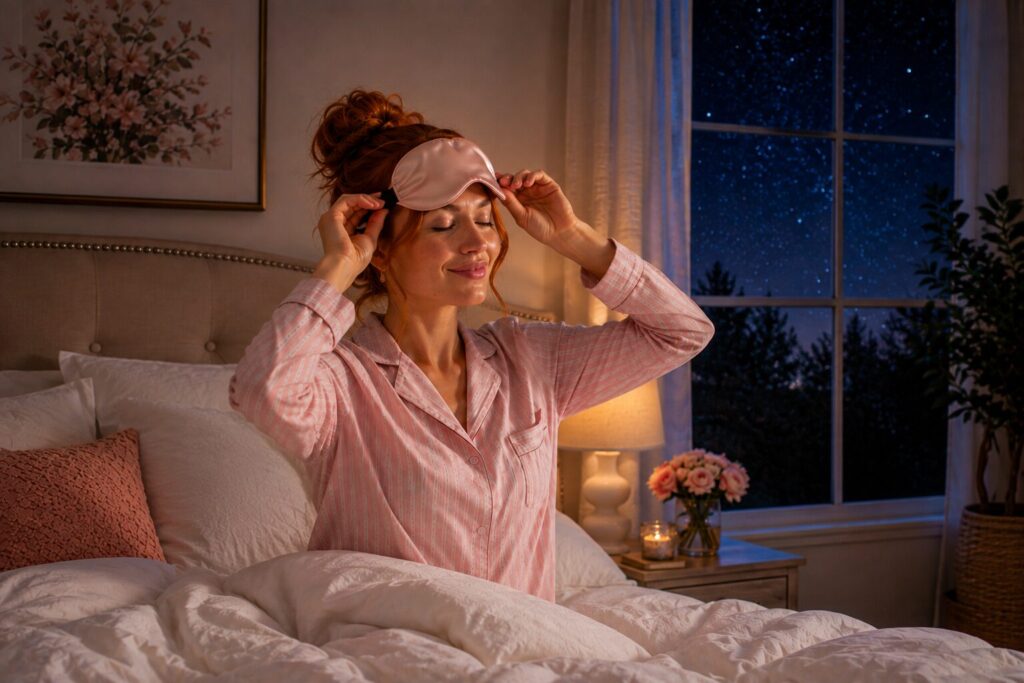
 It’s called a “sleep divorce,” and despite the name, sleeping apart may actually help some couples sleep—and live—better together.
For generations, sharing a bed has been considered part of being a couple. Then real life gets under the covers. One person snores, the other steals the blankets. Someone wants the room freezing while their partner wants three blankets, and one person somehow manages to occupy 80 percent of a king-size mattress.
Enter the sleep divorce, the dramatic name for a surprisingly practical trend: couples intentionally choosing to sleep separately so they can both get a better night’s rest. Nobody is necessarily breaking up, packing a suitcase or calling an attorney. In fact, the goal may be exactly the opposite.
What Exactly Is a Sleep Divorce?
A sleep divorce simply means partners sleep in separate beds or bedrooms by mutual choice. For some couples it happens every night, while others separate only during the workweek or on nights when one partner is snoring, restless or keeping an entirely different schedule.
The important part is that it’s a mutual decision rather than someone angrily grabbing a pillow and heading for the sofa after an argument.
 What About Intimacy?
Sleeping separately doesn’t necessarily mean living separately. Couples can still get into bed together to talk, cuddle, watch television or be intimate and then move to their own sleeping spaces when it’s actually time to sleep.
For some, that may even make together-time feel more intentional. The important part is that both partners are comfortable with the arrangement. If one person sees separate bedrooms as practical and the other experiences it as rejection, better sleep isn’t going to solve the problem.
Should You Try It?
You don’t have to immediately turn the guest room into a permanent second bedroom. Try sleeping separately for a few nights and see what happens. Are you more rested, less irritable and more energetic? Do you miss sharing a bed, or are you secretly delighted to have all the covers?
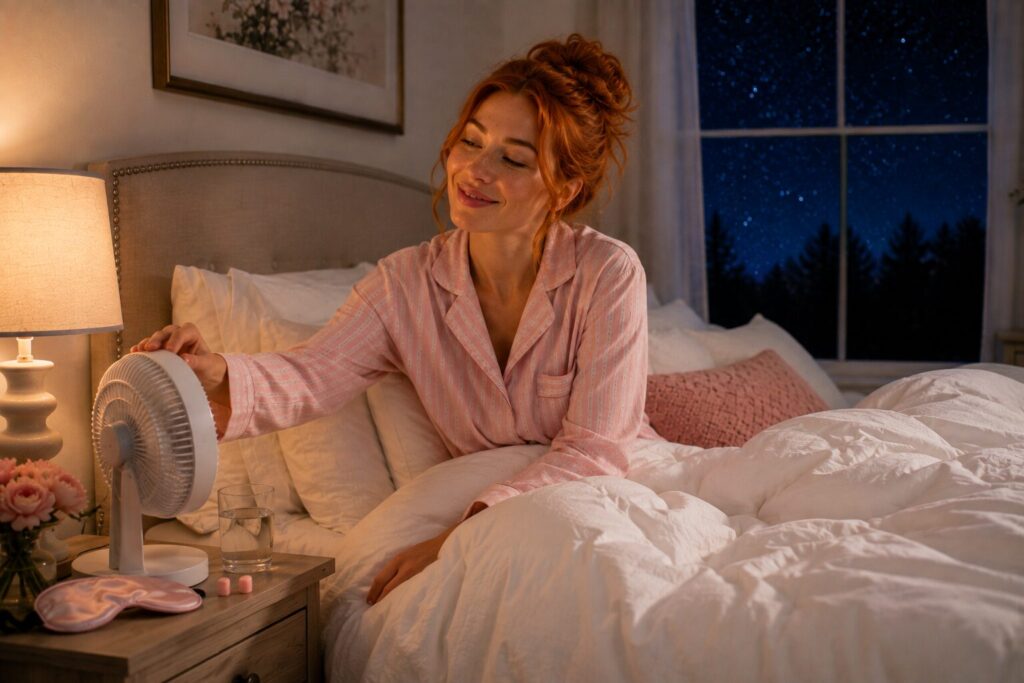 There are compromises, too. Separate blankets, earplugs, eye masks or different mattresses may solve the problem without separate rooms. Persistent or unusually loud snoring is also worth discussing with a healthcare professional rather than simply relocating the snorer.
Why Are Couples Doing It?
Simply, the need for a restful sleep.
Snoring may be the obvious reason, but the list gets much longer. Different work schedules, insomnia, restless legs, pets, temperature preferences, blanket stealing, early alarms and different bedtimes can turn sleeping together into an eight-hour negotiation.
Then there’s the midnight phone scroller. One person wants complete darkness while the other is watching videos with a screen glowing like a tiny Times Square.
Sleep disruption can also follow you into the next day. When people are exhausted, patience often gets shorter and minor annoyances can suddenly feel enormous.
 For some couples, sleeping separately removes the nightly battle and allows both partners to wake up feeling considerably more human.
Did You Know?
Couples don’t necessarily need to sleep separately every night for the arrangement to qualify as a sleep divorce. Some practice it only occasionally, particularly before important workdays or when schedules clash.
Sharing a bed can also mean sharing each other’s movements, alarms, temperature preferences and middle-of-the-night wake-ups. Sometimes the person disturbing your sleep doesn’t even know they’re doing it.
A Little History
Separate sleeping arrangements aren’t nearly as new as the trendy name suggests. Throughout history, sleeping arrangements have varied considerably depending on culture, social class, household size and available space. Wealthier couples in some eras even maintained separate bedrooms or personal chambers.
Hollywood added another twist. During the era of strict movie and television production standards, married couples were frequently shown sleeping in separate twin beds, creating the now-famous mid-century image of his-and-hers beds.
Today, separate beds are making headlines again, but this time the motivation isn’t censorship or etiquette. It’s sleep.