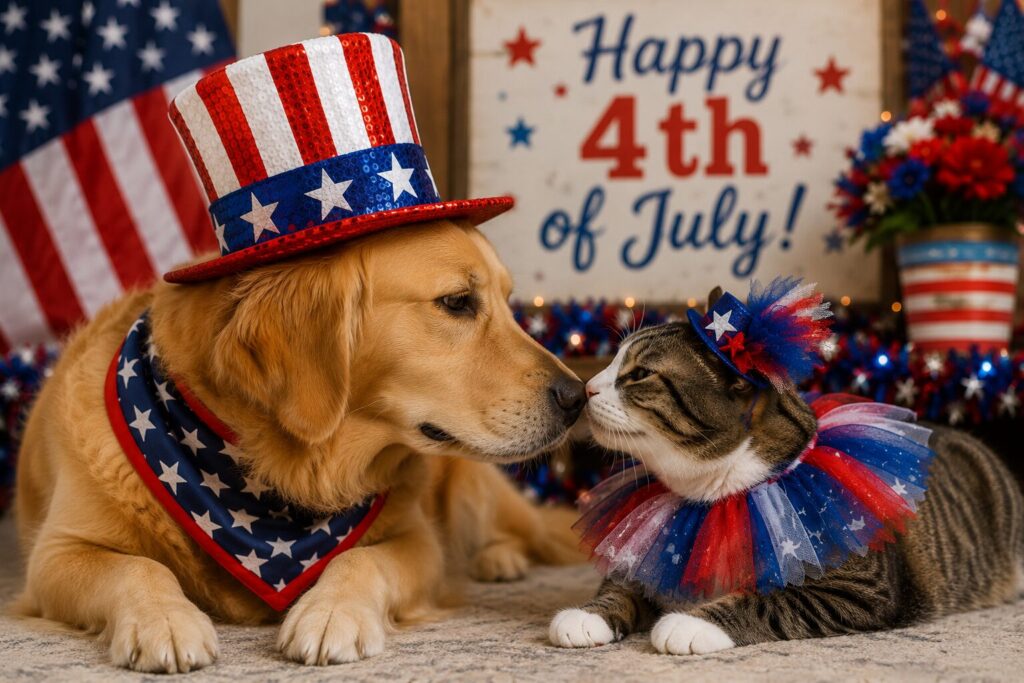
 Keep your furry family members protected before, during, and after the celebration
Fireworks can be frightening for both dogs and cats. A little preparation can make a big difference. Most importantly, make sure your pets are wearing up-to-date ID tags, that their microchip information is current, and consider attaching a GPS tracking device to their collar. If they become frightened and escape, proper identification and tracking can greatly increase the chances of a safe return home.
Here’s a prep list for concerned pet parents.
- Keep pets indoors before fireworks begin. Even pets that normally stay outside can panic and run.
- Check identification. Make sure collars fit properly, ID tags are current, and your pet’s microchip information is up to date. Add an inexpensive tracking app onto collars.
- Create a calm environment. Close windows and curtains, turn on a TV, fan, or calming music to help mask loud noises.
- Provide a safe space. Let your pet retreat to a favorite bed, crate (if they enjoy it), or quiet room. Never force them out.
- Secure doors and gates. Frightened pets can slip through open doors in seconds.

- Offer distractions. Puzzle toys, favorite treats, or a long-lasting chew can help redirect their attention.
- Exercise early. Take dogs for a walk well before dusk, when fireworks are less likely.
- Stay calm yourself. Your pet often takes cues from you. Speak softly and act normally.
- Never bring pets to fireworks displays. The noise, crowds, and unexpected explosions can be overwhelming.
- If your pet has severe anxiety, talk to your veterinarian ahead of time. They may recommend anxiety medication or other strategies for stressful holidays.
What to watch out for. Signs your pet is stressed may include:
- Pacing or trembling
- Hiding
- Excessive barking or meowing
- Panting or drooling
- Trying to escape
- Refusing food or treats
Did You Know?
Dogs can hear frequencies up to 45,000–65,000 Hz, while humans typically hear only up to about 20,000 Hz. Fireworks don’t just sound louder to dogs—they also produce high-pitched frequencies that people can’t hear at all. Combined with sudden booms and unpredictable flashes, it’s easy to understand why many dogs become frightened or anxious.
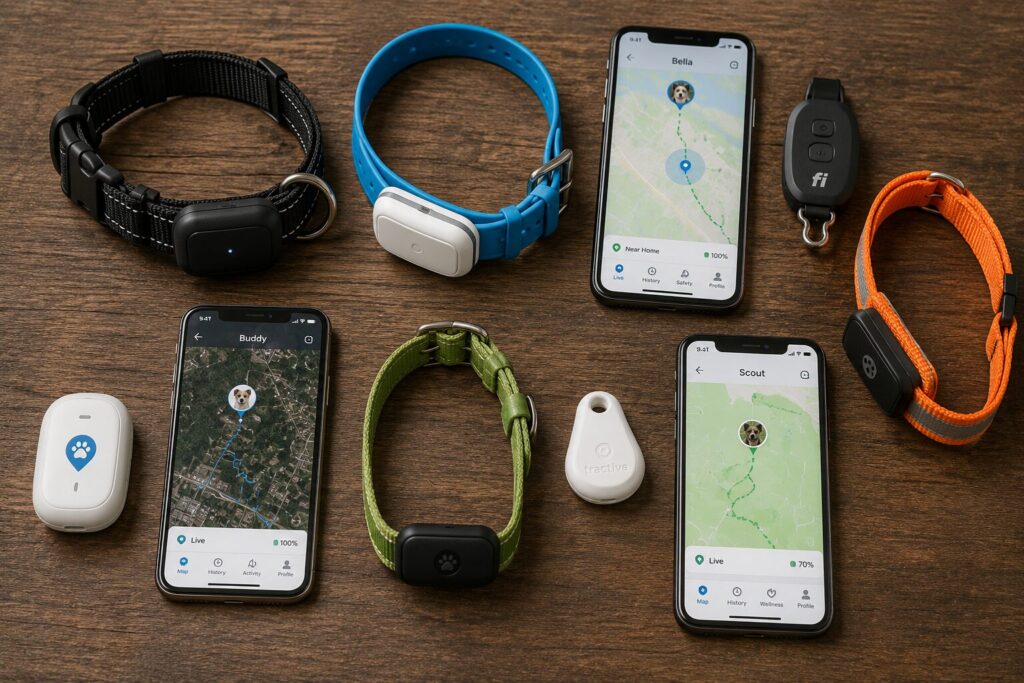 Every year, more pets go missing around the Fourth of July than any other time of the year. Fireworks can cause even calm, well-trained pets to panic and run. Make sure your pet has up-to-date ID tags, a registered microchip, and, if possible, a GPS tracking device on their collar before the celebrations begin.
A little history: