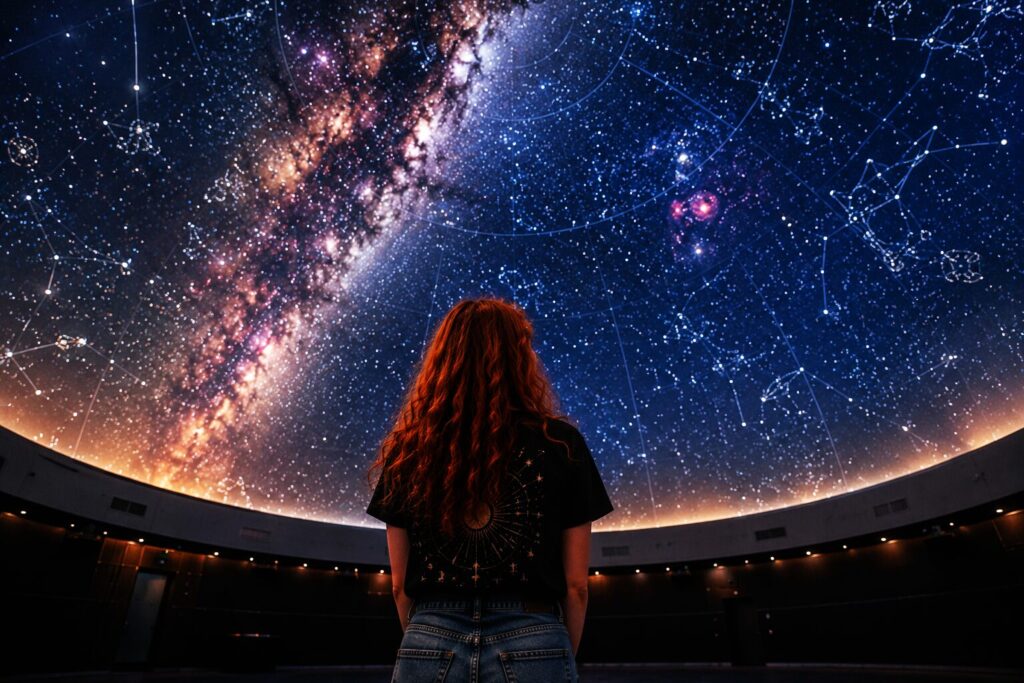
 The Ultimate Space Exploration Day Guide: How to Experience the Cosmos Virtually, Locally, and on the Open Road
On July 20, 1969, millions of people around the globe stood glued to static-heavy television screens. They watched in absolute silence as Neil Armstrong took his historic first step onto the Moon.
Every year on July 20, we celebrate Space Exploration Day to honor that mind-boggling Apollo 11 achievement. But this holiday isn’t just a history lesson. It is a celebration of human curiosity and a reminder to look upward.
Whether you want to celebrate from your couch, discover a hidden gem in your hometown, or pack your bags for an epic summer road trip, here is your ultimate three-tier guide to experiencing the cosmos this July.
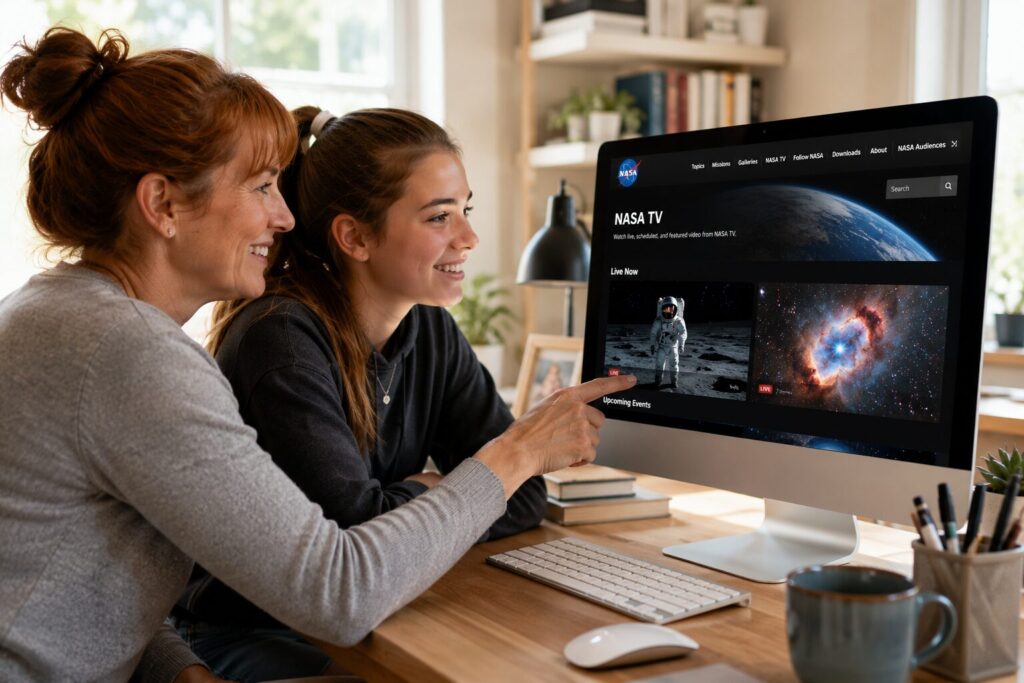 The Virtual Explorer (Celebrate from the Couch)
You don’t need a multi-billion-dollar rocket or a massive travel budget to see the edge of the universe. Major space agencies open up their digital vaults for the public on July 20.
- Stream the Heavens: Head to the NASA Live Broadcast Portal or download the official NASA app. They frequently stream beautifully restored historical footage of the moonwalks alongside breathtaking new deep-space photography from the James Webb Space Telescope.
- Take a 360° Digital Tour: Skip the Florida crowds and take a virtual interactive tour of the iconic Kennedy Space Center or the Johnson Space Center right from your laptop.
- Become a Citizen Scientist: Want to contribute to real space discovery? Visit crowdsourcing platforms like Zooniverse. Scientists post actual satellite images online and ask the public to help them catalog light pollution, identify planetary craters, or map distant galaxies.
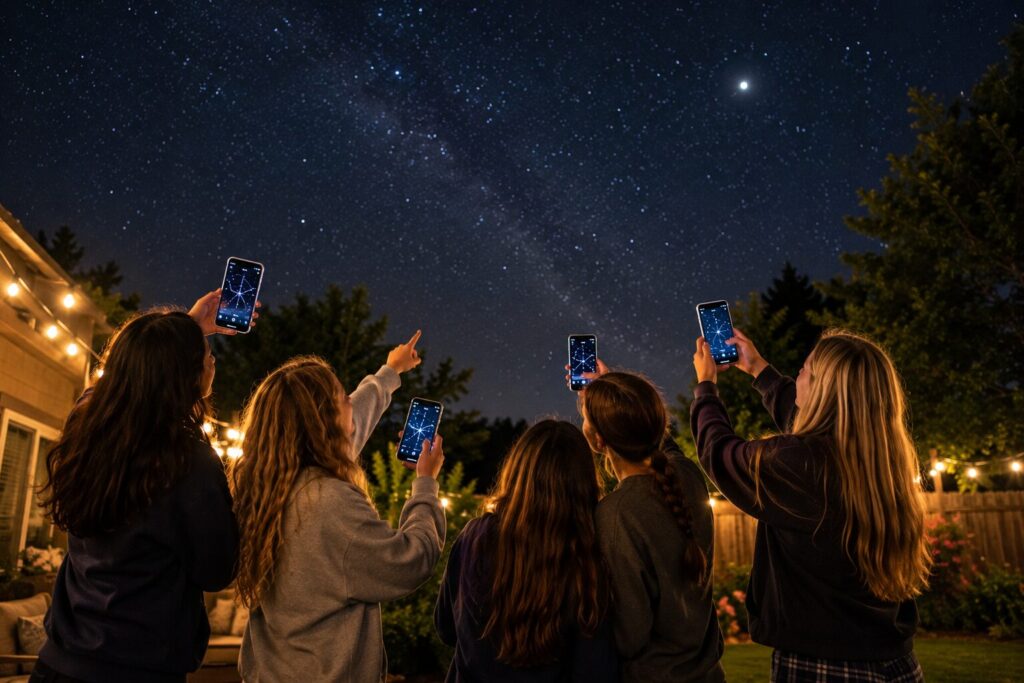 The Backyard Astronomer (Celebrate Locally)
If you want to step away from the screen without traveling far, your local community is full of cosmic gateways.
- Catch a Planetarium Show: Check the schedule of your nearest university or science center. Many host special high-definition immersive dome shows, scale model rocket launches for kids, and Q&A panels featuring actual aerospace engineers or astronomers.
- Join a Telescope Viewing Party: Amateur astronomy clubs frequently set up high-powered telescopes in public parks on July 20. They open them up to the public for free, inviting you to trace the craters on the Moon or glimpse the rings of Saturn.
- Map the Sky with Your Phone: Download a free stargazing app like Stellarium or SkyGuide. Turn off your porch lights, grab a pair of binoculars, and head outside. See if you can spot the Sea of Tranquility—the exact landing site where the Apollo 11 Lunar Module touched down.
 The Cosmic Road-Tripper (The Travel Adventure)
For the ultimate celebration, turn your summer vacation into an unforgettable astronomical pilgrimage. Ever since the Apollo missions, America’s grand planetariums have served as our collective terrestrial spaceships.
Imagine starting your week on Chicago’s lakefront at the Adler Planetarium (America’s very first gateway to the stars). From there, you pack the trunk, curate a space-synth playlist, and head west across the plains. Your destination? The massive 10-million-star projector at the Fiske Planetarium in Boulder, tucked beautifully against the jagged peaks of the Rocky Mountains.
A cosmic road trip changes your perspective. As you drive from state to state, watching the constellations shift in the dark sky above your car, you realize that the highway doesn’t just connect cities—it connects us to the infinite.
How to Find the Best Domes Across the Country
To map out your own stellar itinerary, skip standard travel blogs and use these specialized tracking tools:
- The State-by-State Guide: Use the Go Astronomy Planetarium Directory. It organizes public science centers, university dome theaters, and school district planetariums cleanly by state, complete with direct links to their ticketing pages.
- The Global Tech Mapper: Check out the Worldwide Planetariums Database (WPD). It maps thousands of operational domes. Look for the “Optomechanical Projector” filter if you want a classic, hyper-realistic, ultra-crisp display of the night stars, or “Fulldome Theater” if you prefer cutting-edge cinematic video graphics.
The Verified Professional Database: Use the official International Planetarium Society (IPS) Finder. Because it is updated directly by the directors working at the facilities, it is the most reliable tool to ensure a hidden university dome is actually open for public showtimes during your trip.
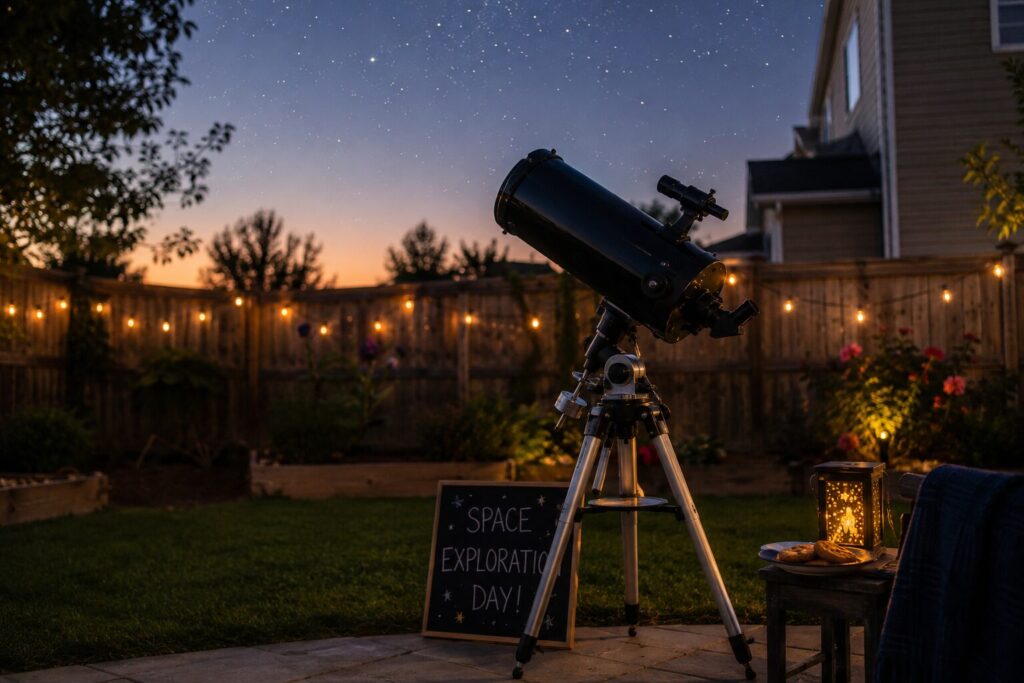 Did you know?
The exact site where Neil Armstrong and Buzz Aldrin landed on the Moon in 1969 is officially named the Statio Tranquillitatis (Tranquility Base)! If you have a clear summer night and a basic backyard telescope on Space Exploration Day, you can point it right at the edge of the Moon’s Mare Tranquillitatis (Sea of Tranquility) to see the exact patch of lunar dust where humanity first left its footprints.
A little history:
Years of advocacy by aerospace engineer Ken Randle to turn the anniversary of the 1969 Apollo 11 moon landing into a permanent national observance, it took a couple of presidents involvement. While President Richard Nixon originally declared a one-time “National Moon Day” immediately following the landing, it was President Ronald Reagan who later broadened to “Space Exploration Day”. It was meant to inspire youth toward STEM careers and celebrate the entire scope of cosmic achievement—from the lunar footprints to modern Mars rovers and deep-space telescopes.