 Saint-Tropez and St. Barts once belonged to insiders, until influencer culture turned exclusivity into something anyone could imitate.
Glamorous vacation spots once had no need to announce themselves. Saint-Tropez and St. Barts attracted movie stars, musicians and international names belonging to the same social orbit, arriving to spend time with their own crowd—not prove they had gained admission.
Influencer culture changed that. The famous harbor, impossible lunch reservation and strategically positioned yacht became evidence for the uncool with large followings, imitating celebrity access until the imitation became louder than the original.
A destination can become more expensive, crowded and profitable while becoming dramatically less exclusive.
When Expensive Gets Mistaken for Exclusive
Saint-Tropez and St. Barts still attract heavy passenger traffic, while losing something occupancy rates cannot measure: the sense that being there means something.
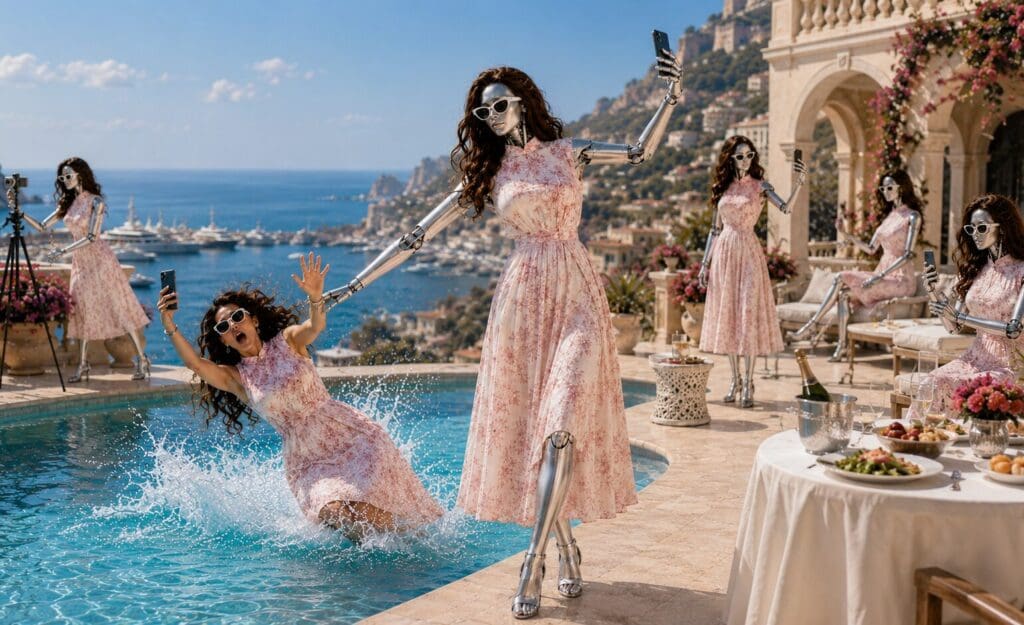
Influencers reduced both places to repeatable images—oversized sunglasses beside the harbor, an untouched lunch, a slow-motion entrance and champagne positioned for a supposedly spontaneous video. Thousands arrive believing they are documenting an exclusive experience, merely reproducing what others posted first.
St. Barts was once protected by its inconvenience, its discreet luxury revolved around private villas, intimate hotels and people who did not need introductions. Social media identified the hotels, photographed the beaches and documented the parties, turning private recommendations into a downloadable itinerary. Saint-Tropez followed the same trajectory.
 The Influvoleurs Have Arrived
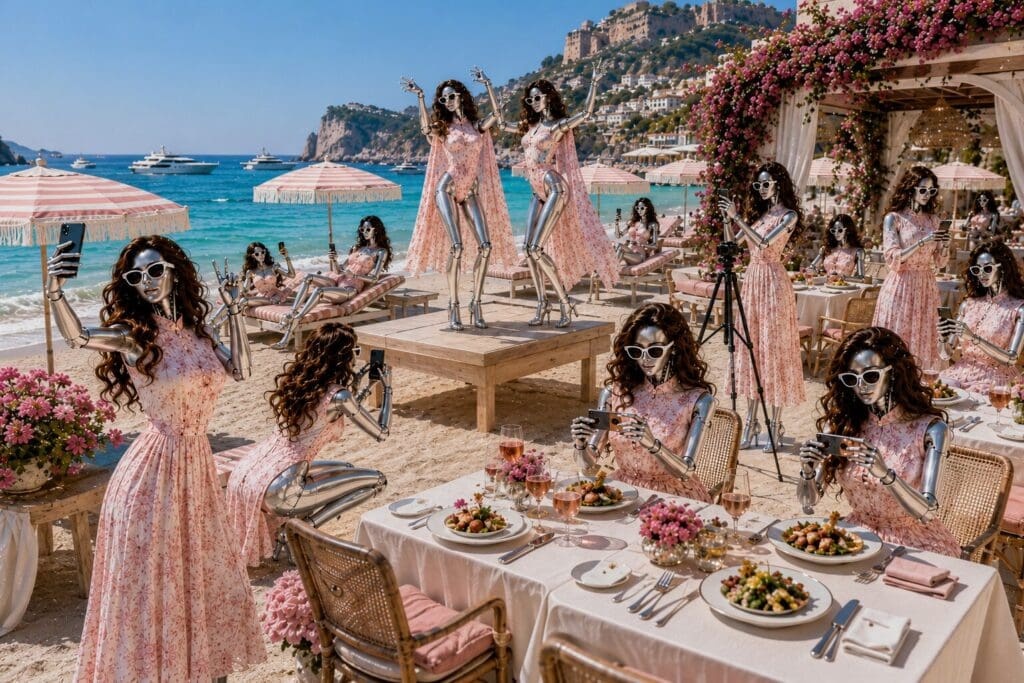
Some in France call opportunistic influencers influvoleurs, combining influenceur with voleur, meaning thief. The term describes people extracting attention, status and complimentary experiences while contributing little in return.
Traditional celebrities became famous by acting, singing, writing, competing or accomplishing something. Influvoleurs attract attention first, attempting to turn it into a reason for being famous, but a photograph in Saint-Tropez or St. Barts borrows status from its background, and after enough influvoleurs repeat the performance, the destination begins to inherit their desperation.
Many celebrities who gave these places their cachet no longer define the public scene. Established names may still visit, remaining aboard yachts, inside private estates or behind controlled guest lists, not about disappearing, but socializing within their own circle– the better-connected have private islands, invitation-only estates and secluded compounds, places that cannot be entered simply by reserving a table.
Paying Guests Are Tired of the Production
The influvoleurs can disrupt the experience hotels are supposedly paying them to promote, turning doorways into stages and dining rooms into studios, forcing guests to stop walking or eating while the same “spontaneous” scene is filmed repeatedly.
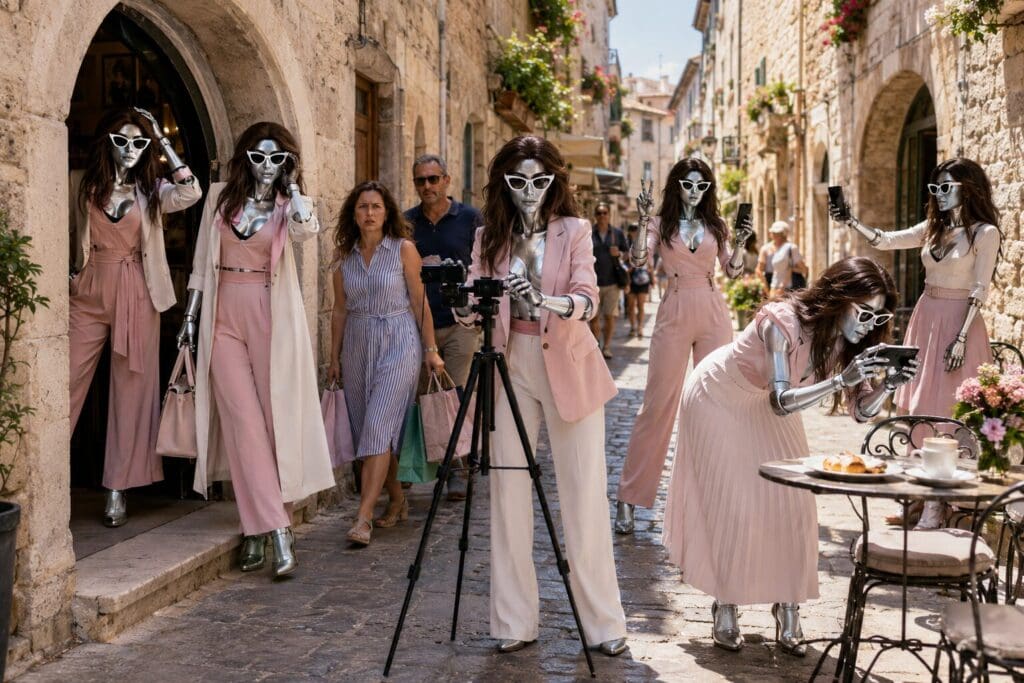 One traveler said the behavior stopped being amusing once influencers blocked doorways and walkways. Other complaints involve intrusive filming, unauthorized photographs and content creators monopolizing photogenic spaces, turning paying customers into unpaid extras.
Hotels also receive requests for complimentary rooms, meals and upgrades in exchange for “exposure.” A marketing manager at a five-star Maldives resort reported being bombarded by influencers seeking free stays, with no guarantee of converting followers into customers.
Likes are not reservations, followers are not guests and exposure does not guarantee revenue. The influvoleur leaves with accommodations and content, the hotel with statistics and irritated guests.
The Balearic Islands learned that lesson after using influencers to promote less-visited locations. Instead of distributing tourism, the campaign overwhelmed fragile sites. A tourism spokesperson admitted, “It’s had the completely opposite effect to what was intended.”
If an influencer is expensive, disruptive and unable to guarantee bookings, why keep sending one?
The Irony of AI: It Can Imitate the Imitators
Artificial intelligence may replace many of the influvoleurs who helped overexpose these destinations. AI excels at imitation, while influencer content is already an imitation of an imitation: the same pose, handbag, beach club and claim that a sponsored vacation was life-changing.
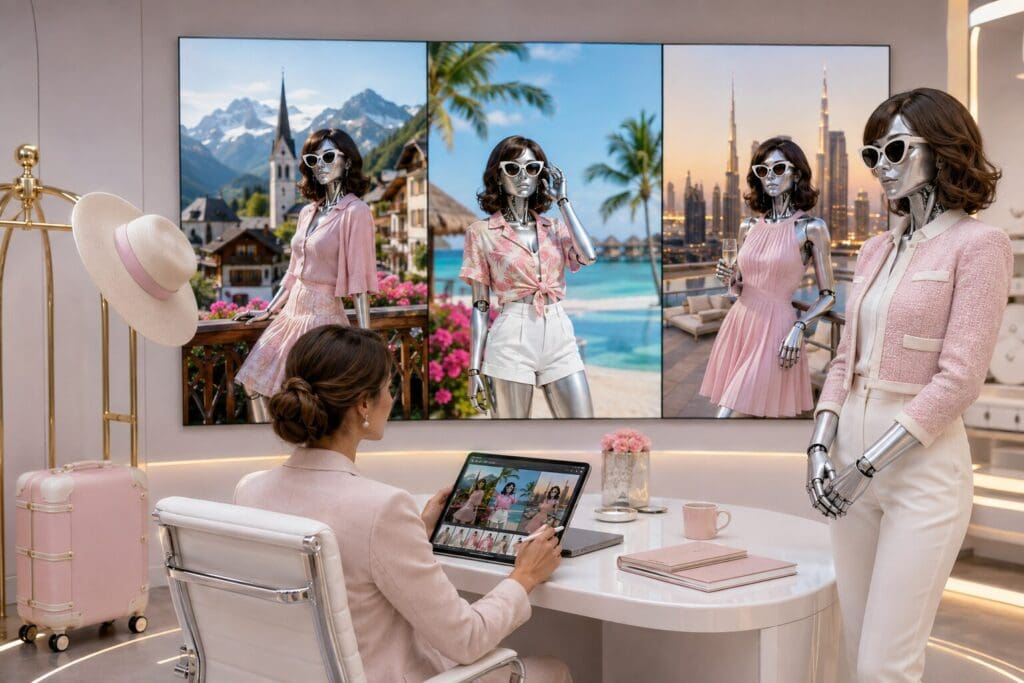 The German National Tourist Board has launched Emma, an AI-generated travel influencer. Yas Island Abu Dhabi has also featured an AI influencer in a destination campaign.
Tourism marketers can control an AI personality’s appearance, schedule and message without purchasing airfare, surrendering a suite or inconveniencing guests. A virtual personality can imitate an influvoleur more efficiently than the influvoleur imitated a celebrity.
AI may change influencer marketing as profoundly as the internet changed journalism, making generic material immediate and cheap. Publications that survived the internet offered original reporting, authority and trust.
Human creators with genuine expertise and meaningful audiences may remain valuable—or perhaps audiences will decide otherwise. When someone offers only borrowed status, recycled poses and manufactured enthusiasm, AI has little to replace beyond the face.
The influvoleurs may soon discover that careers built on imitation can be easily imitated.
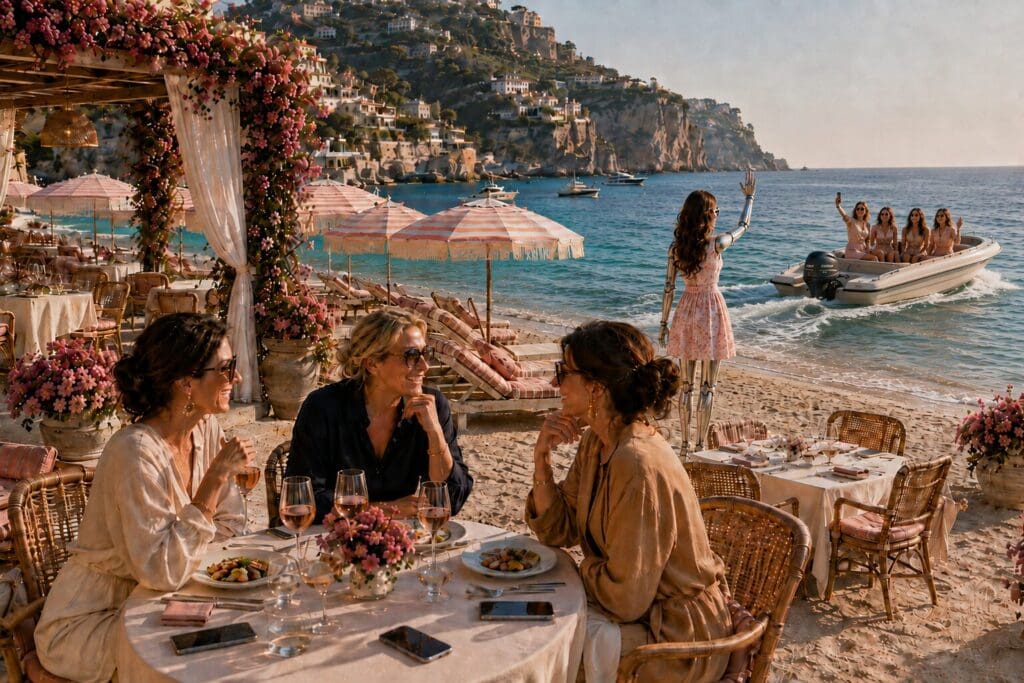 Can These Destinations Become Cool Again?
Saint-Tropez and St. Barts have not lost their beauty, only the insider status of their public scenes. Hotels may be booked and champagne may flow, but popularity is not relevance.
Once brands can manufacture glamorous content without financing an influvoleur’s trip, fewer may overwhelm the same restaurants and beaches. Perhaps genuine tastemakers will return when these destinations regain their balance, or perhaps they have moved on. Either way, they will gather somewhere without the influvoleurs, never sharing the location.
Did You Know?
According to a report from Grand View Research, corporate sponsors are aggressively prioritizing virtual assets by 2030 because they pose zero PR risk, never age, work 24/7, and require no compensation. Brands will increasingly bypass human negotiators by shifting from paying creators to orchestrating proprietary, in-house software stacks.
A Little History