Reconnect with Nature Through Yoga Flows Named After Sun, Water, Earth, and Air
Earth Day is the perfect time to align your body, mind, and spirit with nature’s rhythms. Mindful movement through yoga can help you tap into the energy of the natural world, bringing a sense of calm, grounding, and balance. In this Earth Day edition of yoga, we’ll explore four yoga flows inspired by the elements: Sun, Water, Earth, and Air. These flows will guide you through invigorating stretches, calming poses, and grounding movements that celebrate nature’s beauty and power.
Mindful Movement Flows Inspired by Nature’s Elements
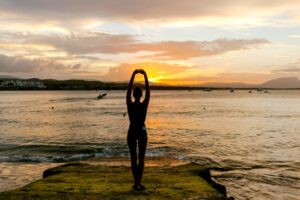
1. Sun Flow (Surya Namaskar)
- Why It’s Perfect: The Sun represents vitality, energy, and light. This flow is meant to invigorate and warm the body, much like the sun’s rays. It’s perfect for beginning your day with energy and intention.
- What to Do:
- Start with Mountain Pose (Tadasana), grounding your feet and standing tall.
- Flow into a series of Sun Salutations (Surya Namaskar), moving through Forward Folds, Plank Pose, and Cobra to awaken the body.
- Incorporate Backbends such as Crescent Lunge and Upward-Facing Dog to lift your chest and open the heart.
- Finish with Child’s Pose (Balasana) to cool down and center your energy.
- Bonus Tip: Focus on breathing deeply and moving with intention, allowing the flow to energize and awaken every cell in your body.
2. Water Flow (Jala Vinyasa)
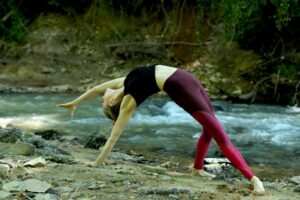
- Why It’s Perfect: Water symbolizes fluidity, adaptability, and cleansing. This flow focuses on smooth, continuous movements that mimic the ebb and flow of water. It’s ideal for cultivating grace and flexibility while releasing tension.
- What to Do:
- Start in Downward-Facing Dog (Adho Mukha Svanasana) and flow through Plank Pose into Chaturanga.
- Move into Cobra or Upward-Facing Dog (Urdhva Mukha Svanasana), allowing the spine to flow like a wave.
- Incorporate Side Planks (Vasisthasana) to build strength while maintaining fluid, flowing movements.
- End with a gentle seated twist to release tension and promote detoxification.
- Bonus Tip: Visualize your movements flowing like water—smooth and uninterrupted—as you release stagnant energy.
3. Earth Flow (Prithvi Vinyasa)
- Why It’s Perfect: The Earth element represents stability, grounding, and nourishment. This flow is designed to help you connect deeply to the earth beneath you, finding strength in stability and stillness.
- What to Do:
- Start with Mountain Pose (Tadasana), grounding your feet firmly into the earth and connecting to your center.
- Move into Warrior Poses (Virabhadrasana I and II), focusing on stability and strength in each stance.
- Transition into Tree Pose (Vrksasana), balancing on one foot and rooting down into the earth for grounding.
- Finish in Seated Forward Fold (Paschimottanasana) to allow for deep relaxation and grounding.
- Bonus Tip: Focus on rooting your feet and maintaining strong, steady movements to build a connection with the earth and its stabilizing energy.
4. Air Flow (Vayu Vinyasa)
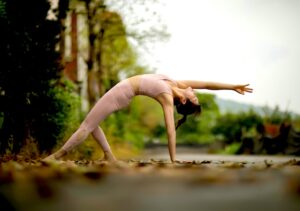
- Why It’s Perfect: The Air element represents movement, freedom, and expansiveness. This flow encourages lightness and flow while releasing any tension in the body. It’s great for stimulating energy and enhancing mental clarity.
- What to Do:
- Begin in Seated Position, focusing on breathwork (pranayama) to activate the solar plexus and expand your lungs.
- Flow through Sun Salutations (Surya Namaskar) with fluid and dynamic movements, allowing the body to float from pose to pose.
- Incorporate Balancing Poses like Half Moon Pose (Ardha Chandrasana) and Eagle Pose (Garudasana) to build lightness and control.
- Finish with Corpse Pose (Savasana) to bring stillness and clarity to your mind and body.
- Bonus Tip: Use deep breathing techniques like Ujjayi breath to mimic the rhythm of wind and allow your mind to clear.
Did You Know? Practicing yoga with elements in mind not only connects you to nature, but it also helps improve physical health by cultivating awareness and grounding energy. Incorporating the energy of the elements into your practice can also promote emotional balance and enhance mindfulness.
A Little History: The ancient practice of yoga has long been associated with the natural world, incorporating the balance of elements to guide spiritual and physical well-being. In modern-day yoga, many teachers draw inspiration from the elements, offering flows designed to connect students with the world around them and within.