Explore Significant Locations to Honor Black History and Culture This February

February is Black History Month, a time to celebrate the rich history, culture, and contributions of Black people around the world. It’s also a great opportunity to visit important heritage destinations that highlight pivotal moments in the struggle for equality and justice. From the historic landmarks in Washington, D.C., to the culturally significant sites in Ghana and Cape Town, these locations offer profound insights into the Black experience and are a meaningful way to honor the past. Let’s take a closer look at some must-visit destinations that will deepen your understanding and appreciation of Black heritage.
Must-Visit Black Heritage Destinations
1. Washington, D.C. (United States)
- Why It’s Special: Washington, D.C. is home to numerous landmarks that commemorate Black history and culture, making it an essential destination during Black History Month. From museums to memorials, the capital offers a rich collection of sites that tell the stories of Black Americans’ struggles, achievements, and contributions.
- What to Expect: Visit the National Museum of African American History and Culture, a Smithsonian institution dedicated to preserving and sharing the history of African Americans. Explore the Martin Luther King, Jr. Memorial, located in the National Mall, and walk through Frederick Douglass National Historic Site, where the former enslaved abolitionist and statesman lived.
- Bonus Tip: Attend events held in February, such as art exhibitions and lectures at the African American Civil War Museum or local performance spaces celebrating Black culture.
2. Accra, Ghana

- Why It’s Special: Ghana is deeply connected to the history of the transatlantic slave trade and holds a significant place in the African diaspora. Accra, the country’s capital, is home to several poignant historical sites that mark the journey of African people to the Americas and the Caribbean.
- What to Expect: One of the most important landmarks is the Cape Coast Castle, a former slave trading post where African captives were held before being shipped across the Atlantic. In Accra, visit the W.E.B. Du Bois Center, dedicated to the life and legacy of the African American activist and scholar, and the Kwame Nkrumah Mausoleum, which honors Ghana’s first president and champion of Pan-Africanism.
- Bonus Tip: The Door of No Return at Elmina Castle is an essential stop for anyone wanting to understand the history of the slave trade and its lasting impacts on African and global history.
3. Cape Town, South Africa
- Why It’s Special: Cape Town offers a powerful exploration of both the struggles and triumphs of the Black South African community. As the home of Robben Island, where Nelson Mandela was imprisoned for much of his life, and the District Six Museum, which commemorates forced removals under apartheid, Cape Town is central to understanding South Africa’s complex and powerful history.
- What to Expect: Take a ferry to Robben Island, a UNESCO World Heritage site, and learn about the incarceration of Mandela and other anti-apartheid activists. Explore the District Six Museum to understand the heartbreaking effects of apartheid on the people who lived in the area. Additionally, visit Cape Town’s Slave Lodge for a deeper dive into the history of slavery in South Africa.
- Bonus Tip: Take a walk through Kirstenbosch National Botanical Garden or hike up Table Mountain for stunning views and a peaceful escape from the intensity of the history you’ll explore.
4. New Orleans, Louisiana (United States)
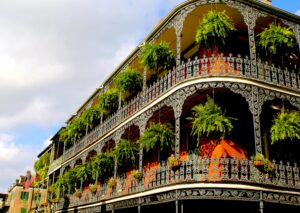
- Why It’s Special: New Orleans has long been a hub of Black culture, particularly in music, art, and activism. The city has produced some of the world’s most influential Black musicians, and its history reflects the struggles of African Americans in the South.
- What to Expect: Visit the National WWII Museum for a different perspective on the African American soldiers who fought in World War II. Explore Treme, the oldest African American neighborhood in the U.S., and learn about the history of Black culture in the area. The New Orleans African American Museum is also a great place to learn about the city’s Black heritage and the impact of jazz and other genres of music.
- Bonus Tip: Attend a live jazz performance or a second-line parade to experience the vibrant Black culture of New Orleans in action.
5. Kingston, Jamaica
- Why It’s Special: Kingston, the capital of Jamaica, is a key location in the story of the Caribbean diaspora and the global influence of Jamaican culture. Known for being the birthplace of reggae music, Kingston offers a fascinating mix of history, music, and culture that continues to resonate around the world.
- What to Expect: Visit the Bob Marley Museum to learn about the life and legacy of the reggae icon, and take a tour of the National Gallery of Jamaica, which showcases the work of influential Jamaican artists. Port Royal, once known as the “wickedest city on Earth,” also offers an interesting historical glimpse into the colonial era and the history of enslaved Africans in the region.
- Bonus Tip: Take a trip to Blue Mountains, just outside Kingston, for a scenic hike and a deeper connection to the island’s natural beauty.
Did You Know? Visiting Black heritage destinations not only allows us to learn about historical figures and events but also provides an opportunity to engage with living cultures that continue to shape communities today. These destinations are important not only for Black history but for human history as a whole.
A Little History: Black History Month was officially recognized in 1976 by President Gerald Ford, and it has since become an important celebration in the United States, Canada, and the UK. It’s a time to acknowledge the often overlooked or forgotten stories and figures who have contributed to shaping the world we live in.